Psychosocial Disability and the NDIS: Support Explained Simply

Quick answer
What is psychosocial disability under the NDIS?
Psychosocial disability is the term the NDIS uses for the everyday functional impact of a mental health condition, rather than the diagnosis itself. To be eligible, the impact has to be substantial and likely to be lifelong. Funded supports focus on routine, daily living skills, social connection and recovery, not clinical treatment.
Mental health and the NDIS can be a confusing combination. Many people living with long-term mental health conditions do not realise the scheme can support them, and others are unsure whether their situation fits. This guide explains what psychosocial disability means, what NDIS support actually looks like from week to week, and how to put together an application, all in plain, human language.
What Psychosocial Disability Means
Psychosocial disability is the term the NDIS uses when a mental health condition has a lasting impact on daily life. It might come from conditions such as schizophrenia, bipolar disorder, severe anxiety, depression or post-traumatic stress. The condition is the health side. The disability is what happens when it makes everyday things hard, like keeping a routine, staying connected to people, or managing a home.
Not everyone with a mental health condition has a psychosocial disability, and that is an important distinction. The NDIS is for people whose condition is likely to be lifelong and significantly affects how they take part in daily life, even with treatment in place.
It Is About Impact, Not Diagnosis
The NDIS does not fund a diagnosis. It funds support for the functional impact of your condition, which means the everyday effects matter more than the label. Two people with the same diagnosis can have very different lives, so the NDIA asks what you find hard, how often, and what support you need to manage.
This is actually good news for applicants. It means your story, told honestly and backed by evidence, counts for more than the name of your condition. Days when things are hard are part of that story, and it is okay to describe them as they really are.
Recovery-Oriented Support
NDIS psychosocial support is built around a recovery-oriented approach. Recovery here does not mean cure. It means living a meaningful life on your own terms, with hope, purpose and connection, whatever your symptoms are doing. Support is designed to build on your strengths rather than focus on what is wrong.
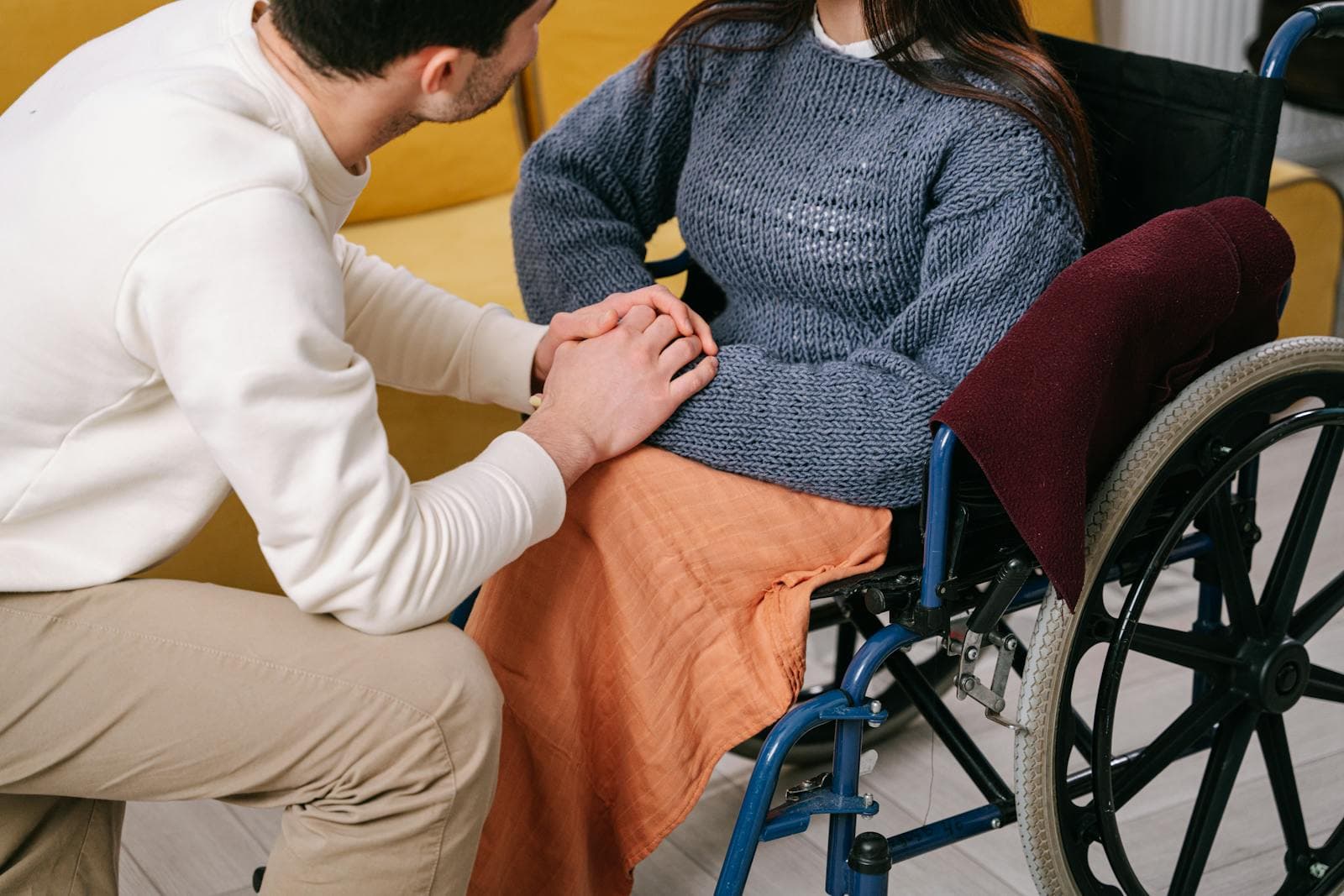
In practice, that means supports that grow your independence over time instead of creating reliance. Good support workers walk alongside you, encourage the things you can do, and gently stretch the comfort zone at a pace you set. Progress is rarely a straight line, and a good provider understands that setbacks are part of the journey, not a failure.
What Support Looks Like Week to Week
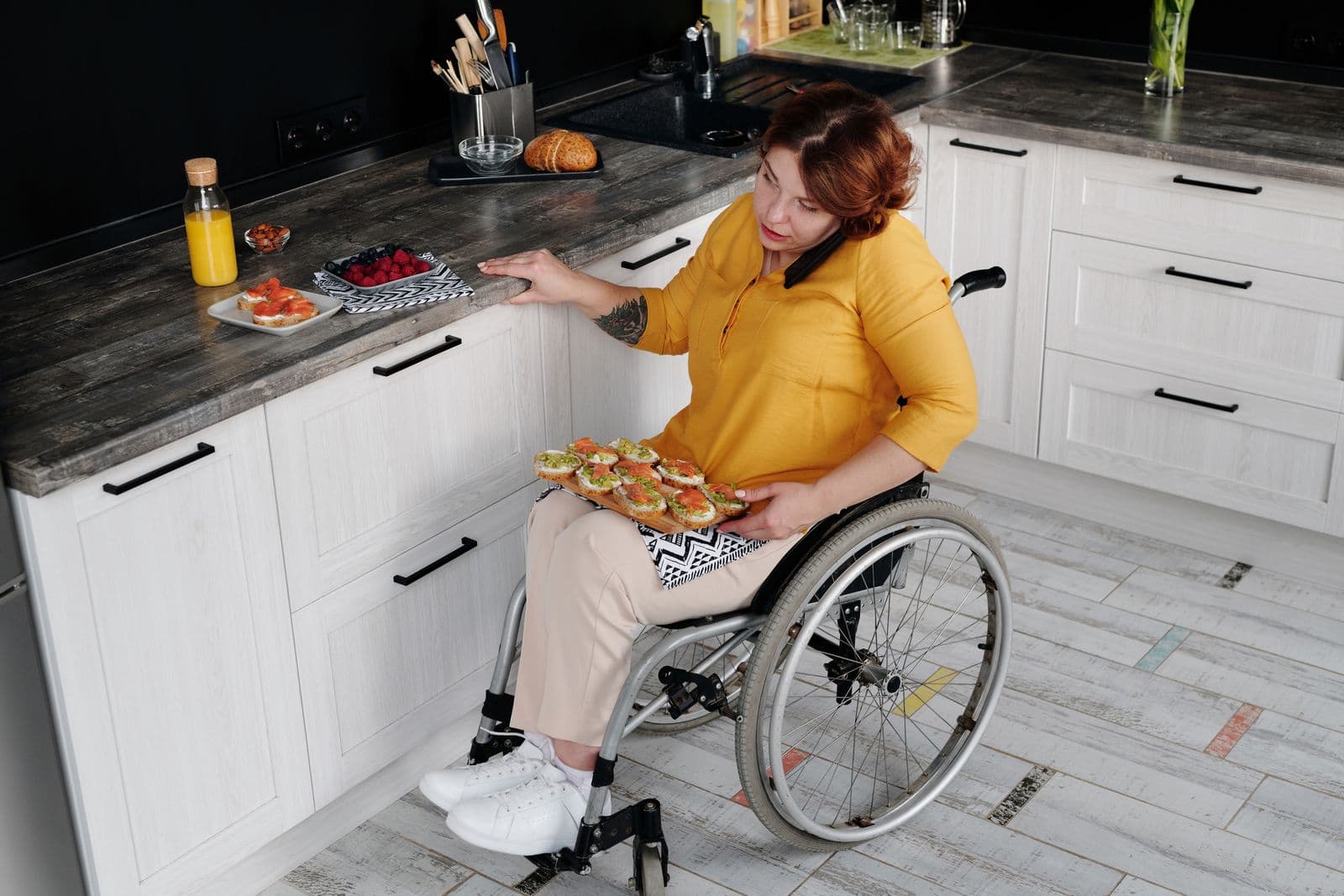
Day to day, psychosocial support is often quiet, steady and practical. It might be a support worker helping you build a morning routine, get to appointments, keep the house in order, or plan meals for the week. Structure sounds simple, but for many people it is the foundation everything else rests on.
Community connection is another big piece. That could mean support to attend a class, reconnect with family, join a group, or simply feel confident on public transport again. Over time, capacity building supports help you practise skills, such as managing money, cooking or communication, so you need less help, not more.
The rhythm matters as much as the tasks. Consistent workers, familiar faces and predictable visits build the trust that makes support actually work. It is one of the things participants tell us makes the biggest difference.
The Evidence You Need for Access
Applying with a psychosocial disability follows the same access process as any other, but the evidence has its own flavour. Reports from your psychiatrist, psychologist or GP should confirm your condition is likely to be lifelong, describe the treatment you have tried, and explain how it affects daily life even with that treatment in place.
Functional detail is the key. Evidence that describes difficulty with routines, relationships, motivation, self-care or leaving the house paints the picture the NDIA needs. If your condition fluctuates, ask your clinicians to describe a typical period, including the harder stretches, not just a good week.
When Mental and Physical Health Overlap
Mental and physical health rarely stay in neat lanes. Medications need monitoring, sleep and appetite affect mood, and chronic physical conditions often travel alongside mental health conditions. This is where nurse-led support can genuinely help, because registered nurses are trained to notice the whole picture, not just one part of it.
At First Priority Care, our support is led by registered nurses who oversee care plans, watch for early warning signs and coordinate with your treating team. That does not replace your mental health clinicians. It simply means the people supporting you day to day are backed by clinical eyes that understand both sides of your health.
Taking the First Step
If any of this sounds like your situation, or someone you love, it is worth exploring. Talk to your GP or mental health team about evidence, or reach out to us and we will point you in the right direction, whether or not you become a client. There is no pressure and no obligation, just a clear next step.
First Priority Care provides psychosocial and mental health support across Brisbane, Logan, Ipswich, the Gold Coast, Redlands and regional Queensland. Call 1800 402 205 or submit a referral online. We respond within one business hour.
Related services and pages
About the author
Sam Wagle · Registered Nurse
AHPRA registered · NMW0002343116
Sam Wagle is the founder of First Priority Care and a Registered Nurse (AHPRA registration NMW0002343116). Sam leads our clinical team and reviews the guides we publish, so the information here is practical, accurate and easy to follow.
Ready to talk to a registered NDIS provider?
Call us on 1800 402 205 or submit a referral online.