What Does an NDIS Nurse Actually Do?
Quick answer
What does an NDIS nurse do?
An NDIS nurse delivers clinical care in the participant's home, including wound care, medication management, catheter and continence care, PEG feeding, tracheostomy care and health monitoring. They also write clinical care plans, train and supervise support workers in high intensity supports, and provide the reports the NDIA needs for funding.
Plenty of NDIS participants have nursing funding in their plan and no clear picture of what a nurse would actually do for them. Others need nursing badly and assume it is not something the NDIS covers. Both groups are missing out on the same thing: clinical care delivered at home, by a registered nurse, funded by your plan. Here is what NDIS community nursing really looks like, week to week.
Nursing, but at Your Kitchen Table
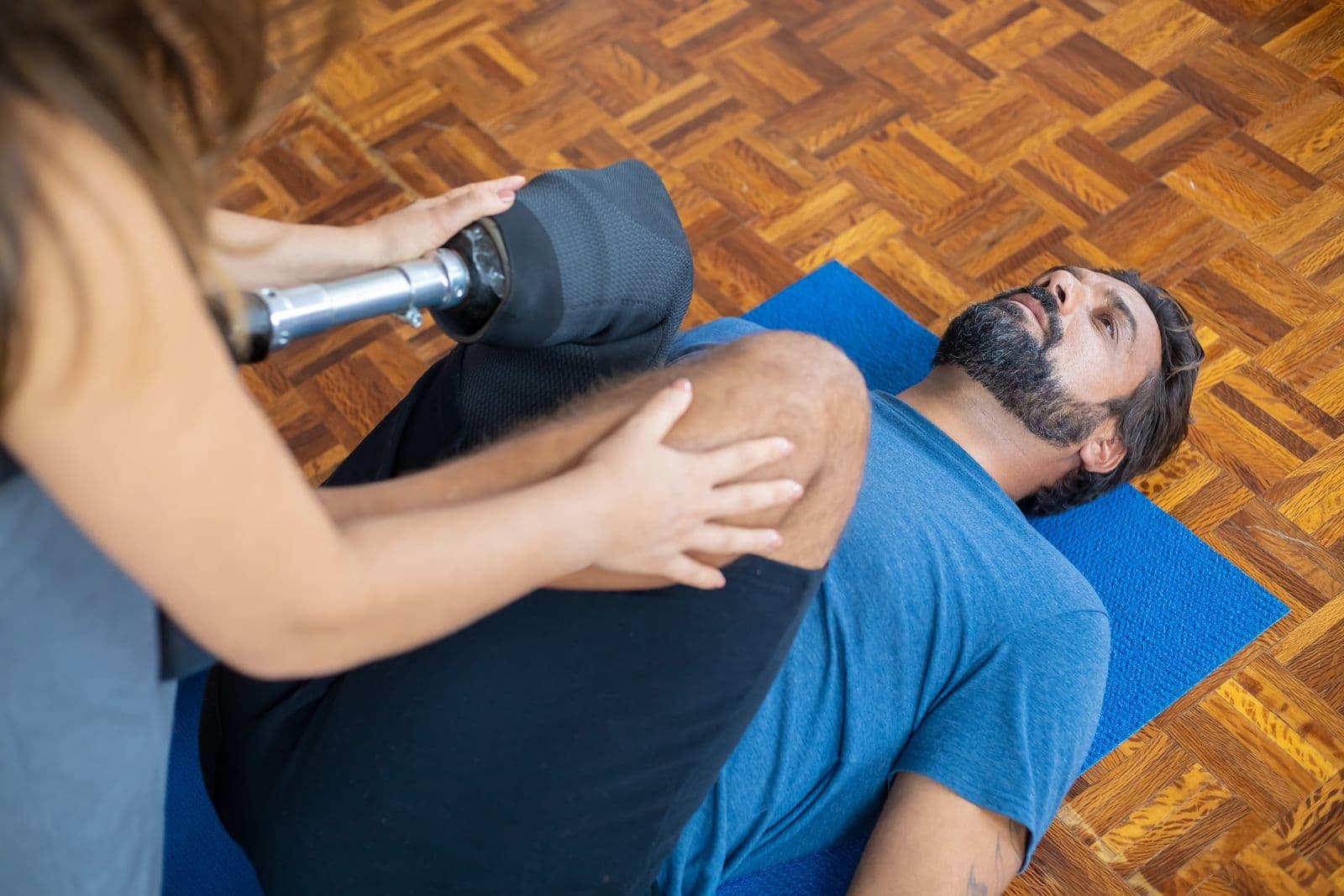
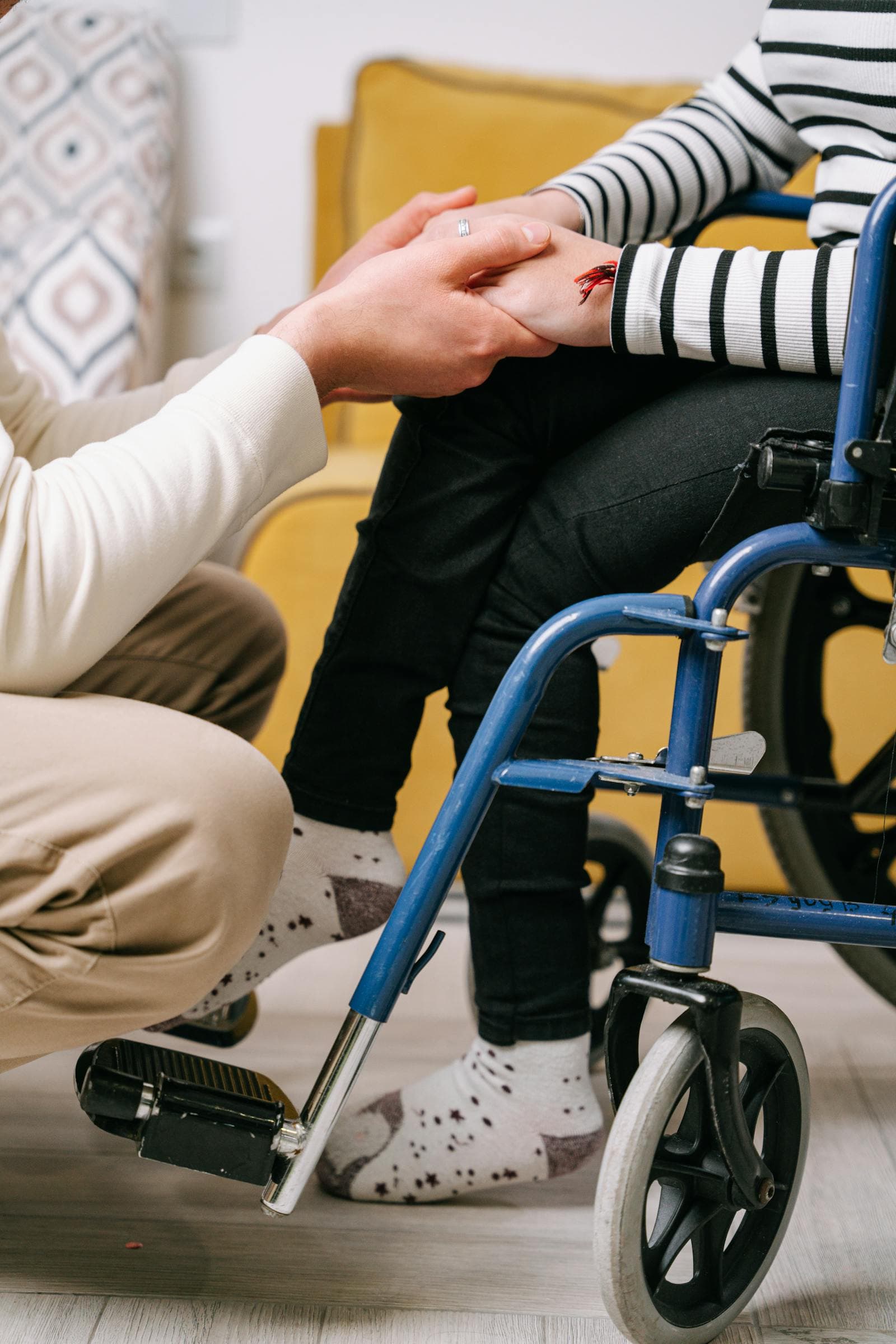
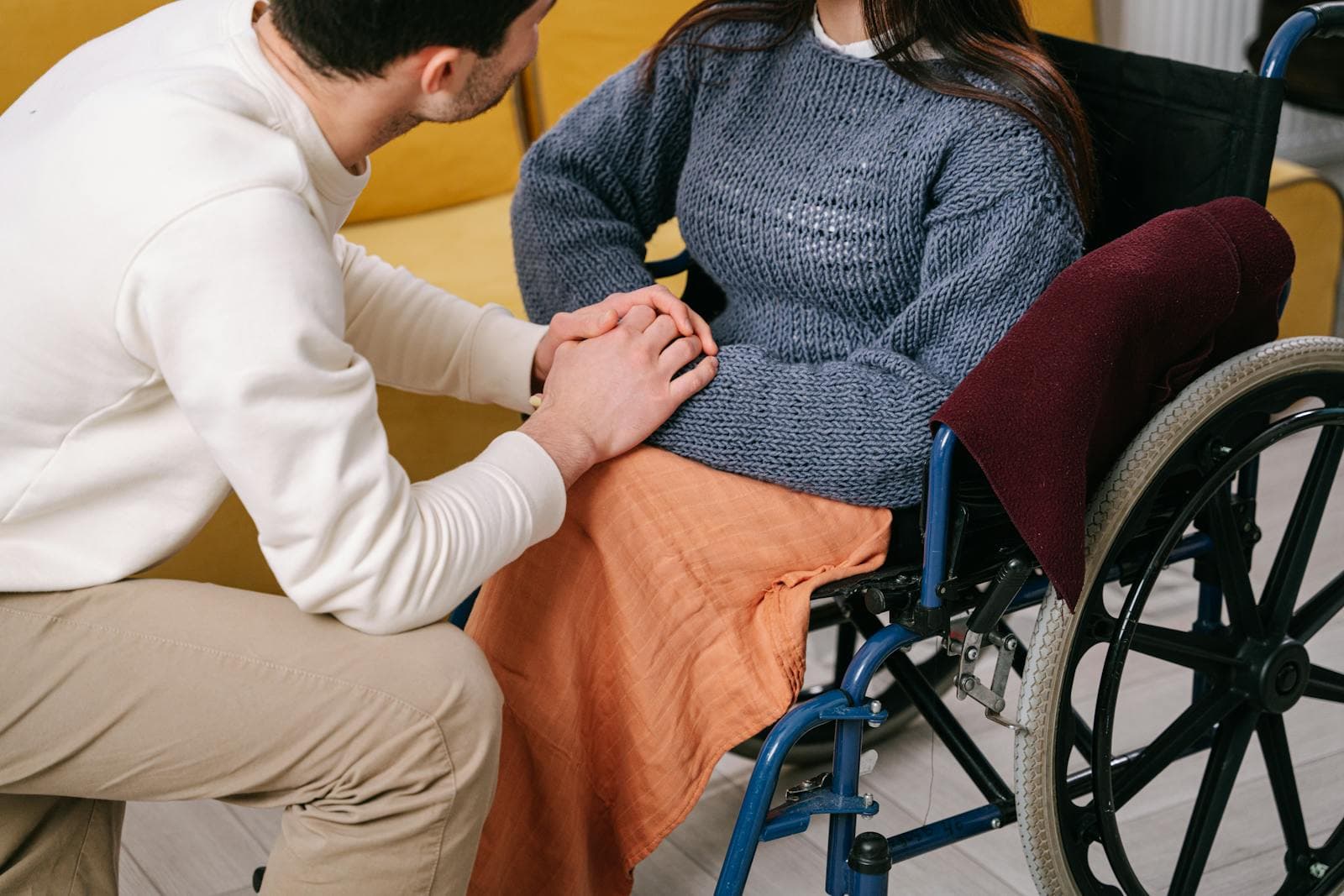
NDIS community nursing is the clinical side of disability support. Where a support worker helps with showering, meals and getting out the door, a registered nurse manages the things that need clinical training and judgement: wounds, medications, catheters, feeding tubes and the health risks that sit underneath a disability.
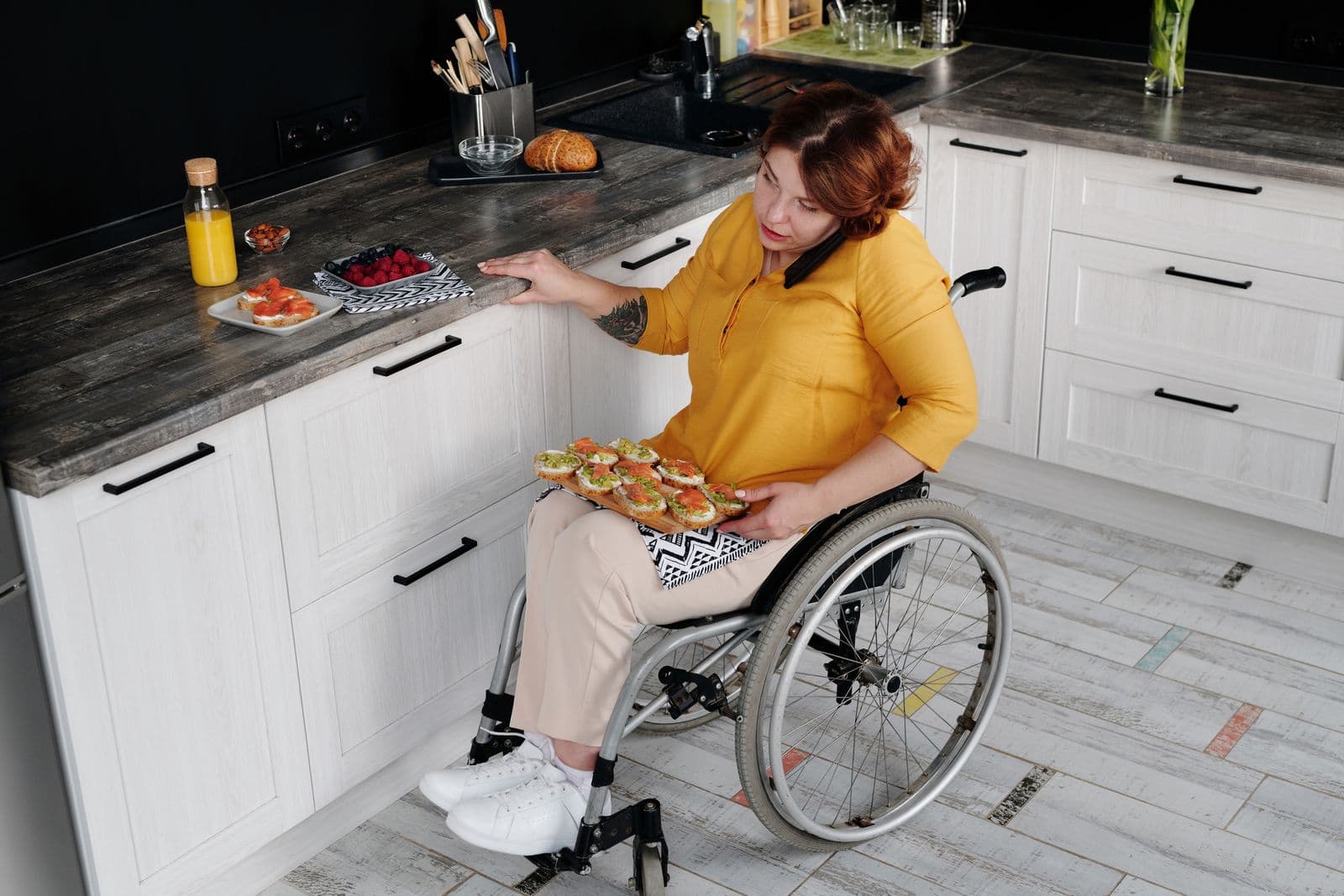
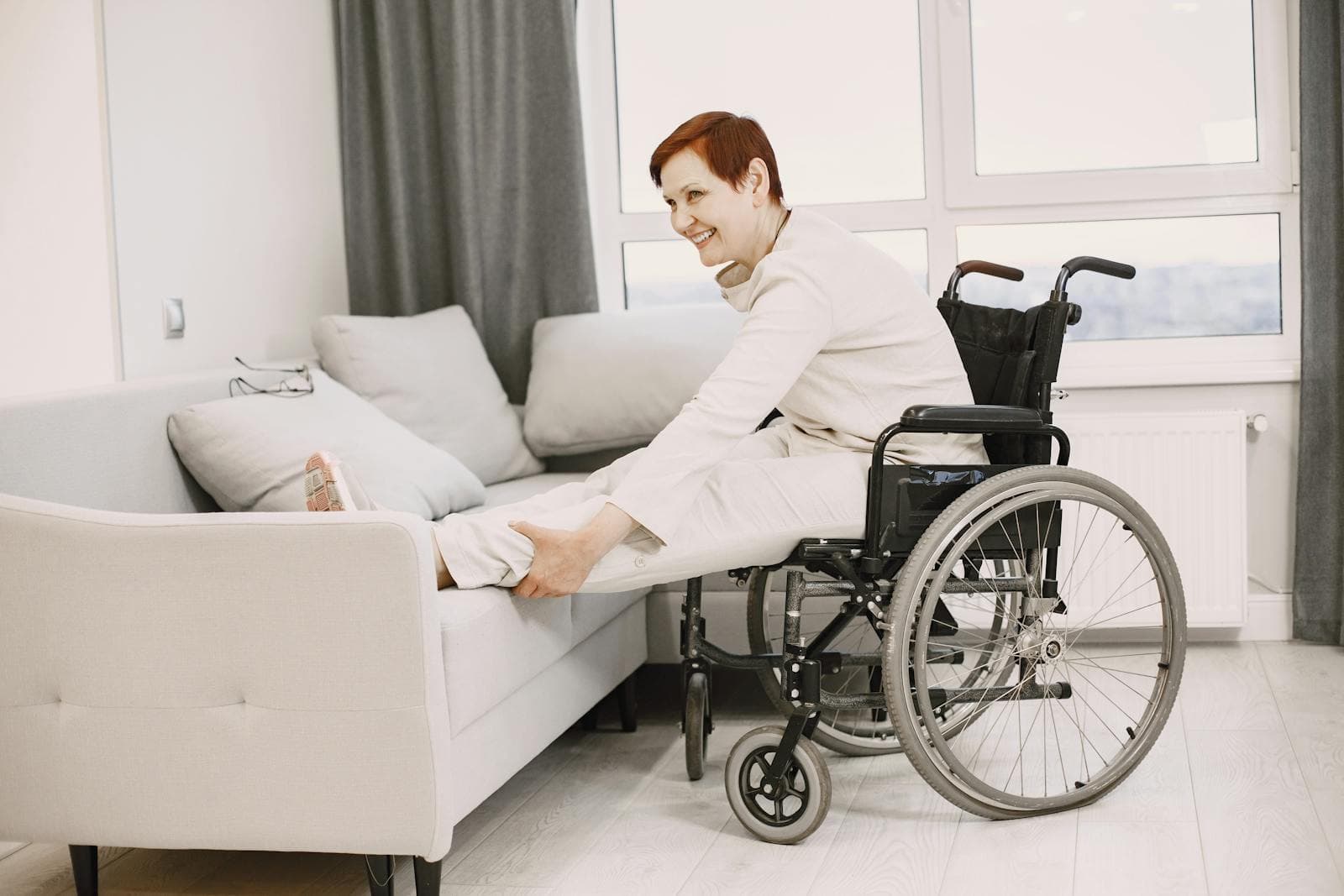
The setting is the difference. This is not a hospital ward or a clinic waiting room. The nurse comes to your home, works around your routine and gets to know your normal, which is exactly what makes it possible to notice early when something is off.
Wound Care That Actually Heals
Pressure injuries, leg ulcers, surgical wounds and skin tears are among the most common reasons participants need nursing. A registered nurse assesses the wound, chooses the right dressings, documents progress with photos and measurements, and escalates to a GP or specialist when healing stalls.
Consistency is the quiet hero here. The same nurse seeing the same wound each visit will pick up a subtle change that a rotating cast of workers would miss.
PEG Feeding, Catheters and Stoma Care
Some supports are legally and clinically nursing territory. Enteral feeding through a PEG tube, urinary catheter changes and care, bowel care and stoma management all need a qualified clinician, either delivering the care directly or training and supervising the workers who help day to day.
If any of these are part of your life, the question to ask a provider is simple: who is the nurse responsible for this? If there is no clear answer, keep looking.
Medication Management
Medication is where small errors become big problems. NDIS nurses review what you are taking, set up safe routines, administer medications that support workers cannot, and write the medication management plans that keep everyone on the same page, including your GP and pharmacist.
For participants with changing regimes, a nurse checking in regularly is the difference between a system and a shoebox of packets.
Assessments That Unlock Funding
Nurses also write the reports that plans are built on. A continence assessment is what unlocks funding for pads, catheters and related products. Complex care assessments, wound summaries and medication reviews give your plan reassessment the clinical evidence the NDIA asks for.
This is one of the most under-used parts of NDIS nursing. A single home visit and a well-written report can change what your next plan funds.
Training the People Around You
Under the NDIS rules, support workers delivering high-intensity supports, things like PEG feeding, subcutaneous injections or complex bowel care, need training and oversight from a health practitioner. Our nurses train and sign off support workers so the whole team around a participant is safe, skilled and confident.
Good nursing multiplies itself. One nurse who trains five workers has improved every single shift of the week.
How It Is Funded, and How to Start
Community nursing is typically funded where your plan includes disability-related health supports, and clinical assessments sit under Capacity Building. If you are not sure what your plan covers, ask your support coordinator, or ask us and we will help you read it.
First Priority Care is a registered, nurse-led NDIS provider, number 4050141489, delivering nursing across Brisbane, Logan, Ipswich, the Gold Coast, the Redlands and regional Queensland. Call 1800 402 205 or submit a referral online. We respond within one business hour.
Related services and pages
About the author
Sam Wagle · Registered Nurse
AHPRA registered · NMW0002343116
Sam Wagle is the founder of First Priority Care and a Registered Nurse (AHPRA registration NMW0002343116). Sam leads our clinical team and reviews the guides we publish, so the information here is practical, accurate and easy to follow.
Ready to talk to a registered NDIS provider?
Call us on 1800 402 205 or submit a referral online.