Hoist Transfers at Home: How the NDIS Supports Safe Manual Handling
Quick answer
How does the NDIS support hoist transfers at home?
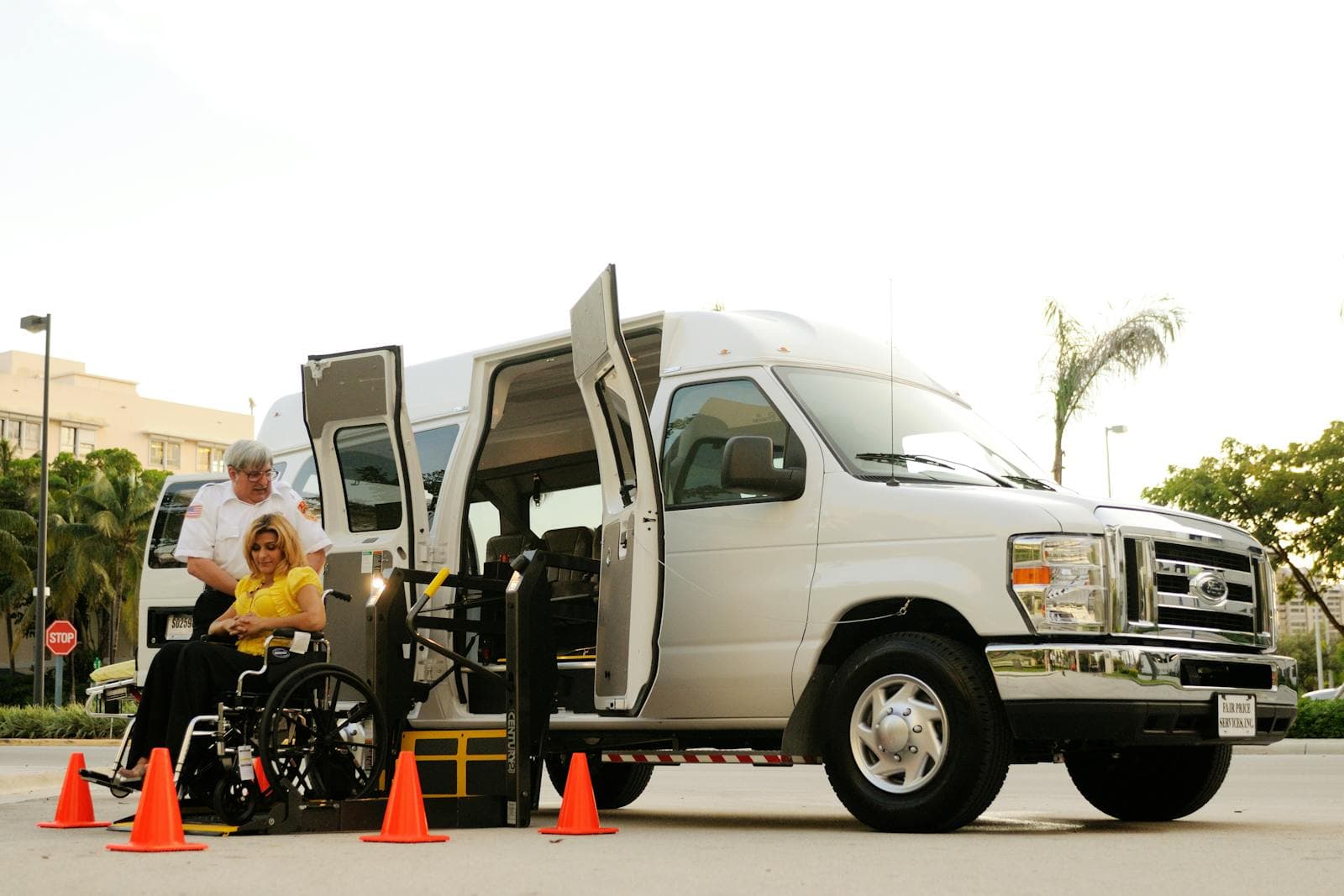
The NDIS can fund a hoist and slings as assistive technology, usually after an occupational therapist's assessment, and support workers trained in safe manual handling to do the transfers. An occupational therapist or nurse writes a transfer plan that sets out the equipment, the sling, and whether one or two workers are needed for each transfer.
For someone who cannot bear their own weight, every move from bed to wheelchair to shower is a transfer, and every transfer is a chance for something to go wrong. Done properly, with the right equipment and trained people, hoist transfers are calm, dignified and safe. Here is how it works on the NDIS.
Start With an Assessment
Safe transfers start with an occupational therapist's assessment. The OT looks at the person's body, strength and needs, the home environment, and the transfers they do each day, then recommends the right hoist, sling type and size, and any other equipment.
The result is a transfer plan: which equipment to use for each transfer, how to fit the sling, and whether one or two workers are needed. Everyone who does transfers should follow it every time.
Funding the Equipment
Hoists, slings and related equipment are assistive technology, funded through the Capital supports budget when they are reasonable and necessary. The OT's assessment and report is what supports the request.
Slings wear out and the person's needs change, so build in regular reviews. A sling that no longer fits properly is a real safety risk.
Trained Workers, Every Shift
Support workers doing hoist transfers need manual handling training and should be shown the specific person's transfer plan and equipment before they do it alone. Good providers check competence in person, not just with a certificate.
If the plan says two workers, it means two workers, every time. Rostering one worker for a two-person transfer to save cost is one of the most common causes of injury, to the person and to staff.
Dignity Matters Too
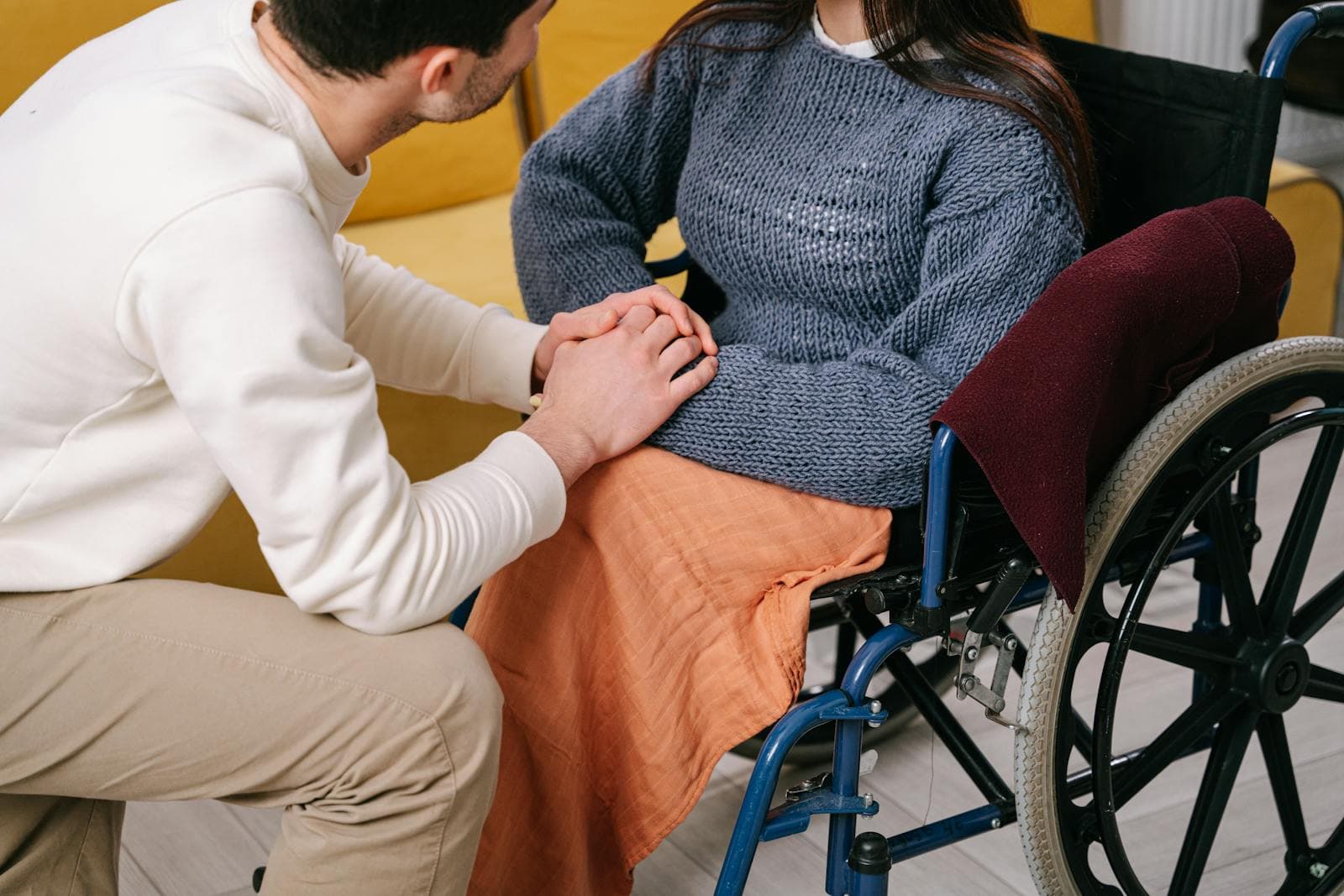
A transfer is not just a task. Talking the person through each step, keeping them covered, letting them set the pace and noticing pain or fear all make a difference to how support feels. For people who are non-verbal, workers who know the person's signals well are worth a great deal.
That is another reason consistency matters: familiar workers who know the routine make transfers smoother and far less stressful.
Questions to Ask a Provider
Who trains workers in manual handling, and how do you check competence with this person's equipment? Do you roster two workers when the plan says two? Who reviews the transfer plan if something changes?
First Priority Care's nurse-led team supports participants with high physical support needs across Brisbane and Queensland, working with your OT's transfer plan. Call 1800 402 205 or submit a referral online. We respond within one business hour.
Related services and pages
About the author
Sam Wagle · Registered Nurse
AHPRA registered · NMW0002343116
Sam Wagle is the founder of First Priority Care and a Registered Nurse (AHPRA registration NMW0002343116). Sam leads our clinical team and reviews the guides we publish, so the information here is practical, accurate and easy to follow.
Ready to talk to a registered NDIS provider?
Call us on 1800 402 205 or submit a referral online.